
Acne scars are among the most common skin concerns affecting individuals of different ages. Although acne itself may heal with time, the marks left behind can remain visible for years and influence the overall appearance and texture of the skin. Skinhouse emphasizes the importance of understanding acne scars and maintaining healthy skincare practices to support long-term skin wellness. Acne scars develop when inflammation damages the deeper layers of the skin and alters the natural healing process. The amount of collagen produced during healing determines how the skin eventually appears, resulting in different forms of scarring.
Causes of Acne Scar Formation
Inflammatory acne is one of the major contributors to scar development. Severe acne lesions penetrate beneath the skin surface and damage surrounding tissues. During healing, the body attempts to repair these tissues through collagen production. Insufficient collagen can create depressed scars, while excessive collagen production may lead to raised scars. Delayed treatment and repeated squeezing or picking of pimples further increase the risk of permanent scarring. Genetic factors also influence how the skin heals and determine the severity of scar formation.
Types of Acne Scars and Skin Texture Changes
Acne scars can vary considerably in appearance. Some scars appear as deep and narrow depressions, while others create broad and uneven surfaces. Certain scars may become raised due to excess collagen formation. These changes in skin texture affect the smoothness of the skin and may become more noticeable under specific lighting conditions. Understanding these differences helps individuals appreciate the importance of proper skincare and long-term management.
Importance of Early Acne Care
Timely management of acne plays a significant role in reducing the chances of scar formation. Persistent inflammation can damage deeper layers of the skin and increase the severity of scars. Maintaining good skincare habits and avoiding unnecessary irritation can support healthy healing. Consistency in daily skincare routines helps preserve the protective barrier of the skin and promotes a healthier complexion.
Advanced Methods for Skin Texture Improvement
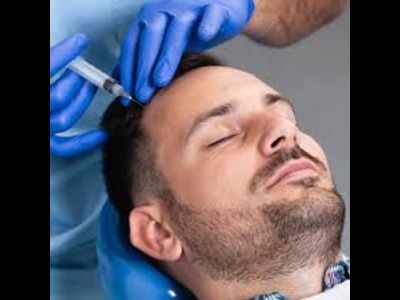
Modern skincare technologies have contributed to various approaches aimed at improving skin texture and reducing the appearance of scars. Procedures that stimulate collagen production help encourage natural skin regeneration. Skin resurfacing techniques promote cell renewal and enhance overall smoothness. Advanced technologies can target deeper layers of the skin and contribute to improved firmness and texture over time. Gradual improvement is often observed with consistent care and patience.
Daily Skincare Practices for Healthy Skin
Healthy skin requires a balanced and consistent routine. Gentle cleansing removes dirt, excess oil, and environmental impurities without causing unnecessary irritation. Moisturizers support hydration and help strengthen the skin barrier. Suitable skincare products can maintain balance and contribute to overall skin comfort. Harsh products and excessive scrubbing may aggravate the skin and interfere with its natural healing process.
Sun Protection and Pigmentation Control
Exposure to ultraviolet rays can make acne scars appear darker and more noticeable. Daily use of broad-spectrum sunscreen helps protect the skin from harmful rays and supports a more even complexion. Sun protection is essential throughout the year because ultraviolet radiation remains present regardless of the season. Consistent sun care contributes to healthier skin and minimizes pigmentation changes associated with scars.
Nutrition and Internal Support for Skin Wellness
Nutrition plays an essential role in maintaining healthy skin. A balanced diet rich in vitamins, minerals, and antioxidants supports collagen production and cellular repair. Fresh fruits, vegetables, nuts, and adequate hydration provide nutrients that contribute to skin elasticity and regeneration. Sufficient water intake also helps maintain moisture balance and supports overall body functions, which indirectly benefit skin health.
Lifestyle Habits That Influence Skin Appearance
Lifestyle factors can significantly affect the condition of the skin. Stress may trigger hormonal changes that contribute to acne breakouts. Poor sleep quality can slow down the body's natural repair mechanisms and affect skin recovery. Regular physical activity improves blood circulation and allows oxygen and nutrients to reach skin cells more effectively. Stress management and healthy daily habits contribute to maintaining radiant and healthier-looking skin.
Patience and Long-Term Skin Improvement
Acne scars usually improve gradually rather than disappearing immediately. Skin renewal takes time, and noticeable changes often require patience and consistency. The primary objective of scar management is to improve skin texture and reduce visibility rather than achieve complete removal. Healthy skincare habits, balanced nutrition, and appropriate skin maintenance can collectively contribute to long-term improvements.
Skinhouse Approach to Healthy and Radiant Skin
Skinhouse focuses on promoting awareness and encouraging healthy skincare practices that support overall skin wellness. Understanding the causes of acne scars and adopting proper lifestyle habits can help individuals maintain smoother and healthier-looking skin. Consistency, sun protection, hydration, and balanced nutrition form the foundation of long-term skin health. With proper care and realistic expectations, achieving radiant and confident skin becomes an attainable goal for individuals of all ages.












Write a comment ...